

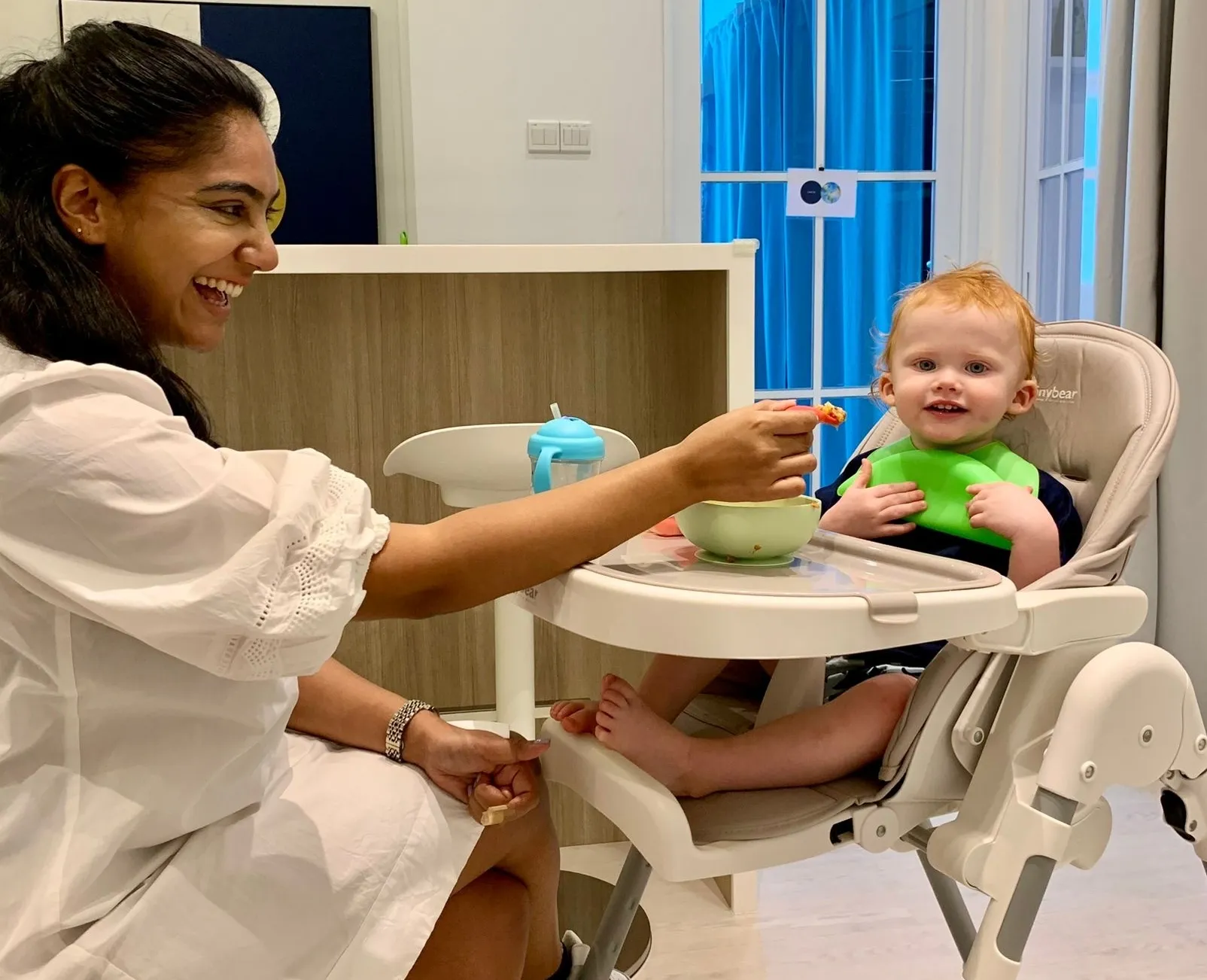
Practical, Pressure-Free Ways to Make Mealtimes Happier
Mealtimes can bring up more emotions than most parents expect.
You might sit across from your child watching untouched food grow cold, wondering whether they’re getting the nutrients they need. You might feel frustrated after cooking something carefully, only to hear “no” before it even reaches their mouth.
You might find yourself comparing your child’s eating habits to others and quietly worrying, “Am I doing something wrong?”
For many parents, picky eating doesn’t just feel inconvenient — it feels personal.
There’s often a deeper worry underneath the daily stress:
What if I’m failing to nourish my child properly?
What if this affects their growth or health?
What if I’m setting them up for problems later?
These concerns are incredibly common, and they don’t mean you’re a bad parent. They mean you care deeply.
Feeding is tied to love, safety, and responsibility.
When eating feels hard, it can shake even the most confident caregivers. Add well-meaning advice from family, conflicting information online, or pressure to “just get them to eat,” and mealtimes can quickly turn into a source of tension and self-doubt.
The reassuring truth is that picky eating is often a normal phase of development, and there are effective, gentle ways to support your child’s eating without force, guilt, or power struggles.
This guide is here to help you understand what’s happening, ease the pressure around food, and build calmer, more trusting mealtimes — while also knowing when extra support might be helpful.
You’re not failing. And you don’t have to navigate this alone.
What “Picky Eating” Really Means in Young Children
Picky eating isn’t a single behaviour. For many young children, it shows up as:
- Preferring familiar foods
- Rejecting new textures or flavours
- Eating well one day and very little the next
- Wanting foods prepared in specific ways
From a developmental perspective, this makes sense.
Toddlers and young children are learning independence, asserting preferences, and becoming more cautious about unfamiliar experiences — including food.
Researchers often describe this as food neophobia, a normal stage where children become wary of new foods as their mobility and independence increase.
The American Academy of Pediatrics explains that appetite and food preferences naturally fluctuate in early childhood, and temporary picky eating is usually not a sign of poor health.
Why Pressure Often Makes Picky Eating Worse
When a child eats very little or refuses foods, it’s natural for parents to feel anxious.
That anxiety can quietly turn into pressure — encouraging “just one more bite,” negotiating dessert, or hovering at the table.
Unfortunately, research shows that pressure tends to backfire.
When children feel watched or forced, eating becomes stressful.
Stress reduces appetite and can make children more resistant over time. According to the Ellyn Satter Institute, pressure interferes with a child’s ability to listen to hunger and fullness cues — skills that are important for lifelong healthy eating.
Shifting the goal from getting food in to building trust around food is often the turning point.
Creating a Supportive Mealtime Environment
Before focusing on what your child eats, it helps to look at how meals are set up.
A supportive mealtime environment includes:
- Predictable meal and snack times, so children know when food is coming
- Eating together when possible, even if adults are eating something different
- Minimising distractions, such as toys or screens during meals
- Time-limited meals, so eating doesn’t drag on endlessly
A calm environment helps children feel safe and reduces pressure — which, paradoxically, makes eating more likely over time.
The American Academy of Pediatrics emphasises that routine and structure create a sense of security that supports healthy eating habits.
The Division of Responsibility: A Proven Feeding Framework
One of the most trusted, research-based approaches to feeding is the Division of Responsibility.
In simple terms:
- Parents decide what food is offered, when meals happen, and where eating takes place
- Children decide whether they eat and how much
This approach removes power struggles and places responsibility where it belongs. Children learn to trust their appetite, while parents provide consistent, nourishing options.
Over time, this framework helps:
- Reduce mealtime conflict
- Increase food acceptance
- Build a healthier relationship with food
It’s not a quick fix — but it’s a steady, evidence-based foundation that works.
Gentle Strategies to Encourage Variety (Without Forcing)
Encouraging children to try new foods doesn’t require pressure, bargaining, or “just one bite” negotiations. In fact, research consistently shows that pressure often increases resistance, while calm exposure over time builds trust and curiosity.
One of the most effective approaches supported by feeding research is exposure without expectation. This means offering foods regularly, without requiring your child to taste, finish, or even touch them. Over time, familiarity replaces fear — and curiosity often follows.
Below are gentle, practical strategies used in feeding therapy and recommended by experts.
Repeated Exposure: Familiarity Comes Before Acceptance
It’s easy to assume that if a child refuses a food once or twice, they simply don’t like it. In reality, many children need 10 to 15 exposures to a new food before they feel comfortable enough to try it.
Exposure doesn’t mean eating. It means:
- Seeing the food on the plate
- Watching others eat it
- Smelling it
- Hearing it talked about neutrally
Each exposure helps your child learn that the food is safe and predictable. When exposure is paired with pressure, the learning stops. When it’s paired with calm consistency, progress quietly builds.
This is why repeatedly offering a food — even if it goes untouched — is not “wasting food.” It’s laying groundwork.
Offer Safe Foods Alongside New Foods
A “safe food” is something your child reliably eats without stress.
Including at least one safe food at each meal helps your child:
- Feel secure at the table
- Trust that they won’t go hungry
- Stay regulated enough to explore new foods
When children feel safe, they’re more open to curiosity. When they feel unsure or hungry, resistance increases. A plate that includes both familiar and unfamiliar foods sends a clear message: this is a safe place to eat.
Keep Portions Small and Non-Threatening
Large portions can feel overwhelming — especially for children who are already cautious about food.
Tiny portions communicate choice, not pressure.
- One pea
- A thin slice
- A small spoonful
Small amounts make new foods feel manageable. They also reduce the sense of expectation that often triggers refusal. Children are more likely to explore food when it feels optional rather than demanded.
Encourage Sensory Exploration (All Interaction Counts)
Eating is a sensory experience. For some children, new textures, smells, or temperatures can feel intense or unfamiliar.
Sensory exploration includes:
- Touching food with fingers
- Smelling it
- Licking or tasting and then stopping
- Looking closely or talking about it
All of these are valid steps toward acceptance.
It’s important to remember that progress isn’t linear. A child may tolerate a food one day and reject it the next. That doesn’t mean you’re moving backward — it means your child is still learning.
Model Eating Without Commentary or Pressure
Children learn a great deal by watching.
Eating a variety of foods yourself — calmly, enjoyably, and without comment — sends a powerful message. Saying things like “This is so good, you should try it” can unintentionally add pressure. Quiet modelling, on the other hand, allows children to observe without expectation.
Trust that your child is paying attention, even when it doesn’t seem like it.
Stay Neutral With Language Around Food
The way we talk about food shapes how children experience it.
Try to avoid:
- Praise tied to eating (“Good job for eating that!”)
- Pressure statements (“Just one bite”)
- Comparisons (“Your sibling eats this”)
Instead, aim for neutral descriptions:
- “This carrot is crunchy.”
- “The soup is warm.”
- “You don’t have to eat it.”
Neutral language keeps the focus on exploration rather than performance.
Why These Strategies Work
According to the Ellyn Satter Institute, children develop healthy eating habits when adults provide structure and trust children to decide how much and whether to eat. Short-term pressure may get food into a child once, but it often increases resistance in the long run.
Small, consistent, pressure-free practices help children:
- Feel safe at mealtimes
- Build internal hunger and fullness cues
- Develop a more flexible relationship with food
Over time, comfort leads to curiosity — and curiosity opens the door to variety.
Involving Your Child in Food (Without Pressure)
Children are more comfortable with foods they recognise.
Involving them in age-appropriate ways can reduce anxiety and build interest:
- Letting them choose between two vegetables at the store
- Washing fruits or stirring ingredients
- Naming colours, textures, and shapes
- Talking about food without expectations to eat it
This kind of involvement builds familiarity and confidence — even if eating comes later.
When Picky Eating May Be a Sign of Something More
While picky eating is often normal, there are times when extra support can be helpful.
You may want to seek guidance if:
- Your child eats a very limited range of foods over a long period
- Mealtimes involve frequent distress, gagging, or vomiting
- Growth or weight gain is a concern
- Strong sensory sensitivities affect eating
- Feeding difficulties significantly impact family life
These signs don’t mean you’ve done anything wrong. They’re simply signals that your child may benefit from additional support.
The American Speech-Language-Hearing Association explains that feeding challenges can sometimes be related to sensory, oral-motor, or coordination differences — areas that can be supported with the right approach.
When and How to Seek Professional Support
Many families seek support not because they’re certain something is wrong, but because they want clarity.
A feeding assessment is designed to understand:
- How your child eats and drinks
- Oral-motor skills involved in chewing and swallowing
- Sensory responses to food
- Mealtime routines and experiences
Support may involve guidance for parents, short-term strategies, or therapy — depending on your child’s needs. Early support often makes mealtimes easier and prevents challenges from becoming more entrenched.
The World Health Organization emphasises that early, supportive interventions strengthen developmental foundations rather than limit them.
Reframing Success: What Progress Really Looks Like
Progress with picky eating is rarely dramatic.
Success might look like:
- Tolerating a new food on the plate
- Touching or smelling food without distress
- Sitting calmly through meals
- Reduced anxiety around eating
These are meaningful steps. Over time, comfort leads to curiosity — and curiosity opens the door to variety.
You’re Doing Better Than You Think
Feeding a picky eater can test patience and confidence. But picky eating does not reflect failure — it reflects a child learning about the world, their body, and their preferences.
By offering structure without pressure, modelling calm eating, and staying curious rather than controlling, you’re creating a foundation of trust around food.
And if mealtimes continue to feel hard, support is available.
Learning more about Feeding and Swallowing Therapy for Kids can be a helpful next step — not because something is “wrong,” but because every child deserves support that meets them where they are.
With the right guidance, mealtimes can become calmer, more connected, and more nourishing — for your child and for you.